Wednesday, November 13, 2024

New Septic Tank Smells: Fixing Odors Quickly in Your Yard

New Septic Tank Smells: Fixing Odors Quickly in Your Yard

New Septic Tank Smells: Fixing Odors Quickly in Your Yard

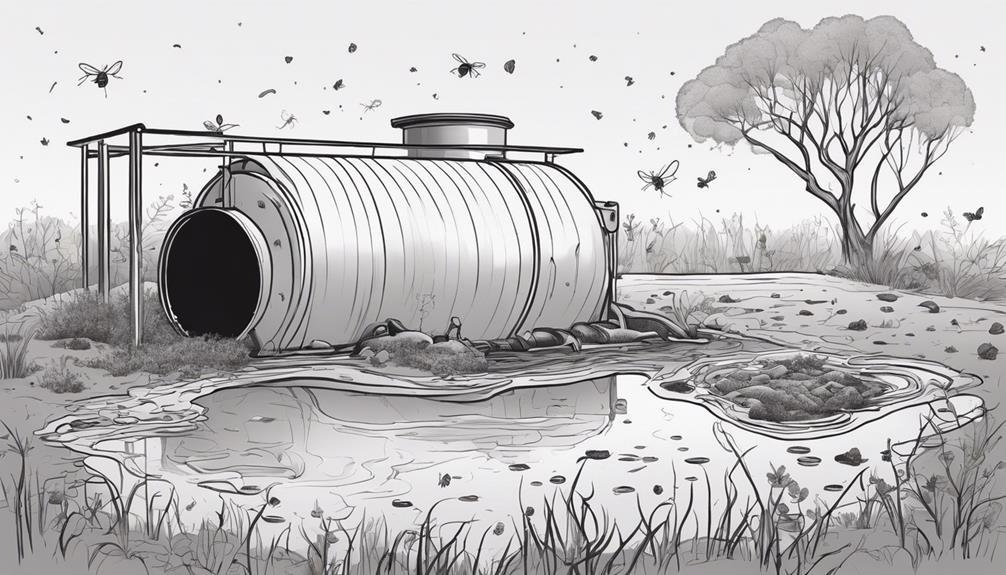
A new septic tank is an exciting investment, promising a reliable and efficient waste management system. However, a common and unwelcome surprise for many homeowners is the emergence of unpleasant odors emanating from the new septic system. While the cause of these smells can be attributed to various factors, understanding the root of the problem is crucial for a quick and effective solution.

Understanding Septic Tank Odors

Septic systems are designed to break down waste through a natural process involving bacteria. These bacteria thrive in a specific environment with limited oxygen and produce gases as a byproduct of decomposition. In a well-functioning system, these gases are safely released through the vent pipe and dispersed into the atmosphere. However, various factors can disrupt this balance and lead to odor issues.

Common Causes of Septic Tank Odors

The following are some of the most common culprits behind unpleasant smells in a new septic tank:

  • Improper Installation: Faulty installation of the septic tank, vent pipe, or drainfield can create pathways for gases to escape into the surrounding environment. This includes issues like improper slope, insufficient vent pipe height, or leaks in the system.
  • Overloading: Exceeding the septic tank's capacity can lead to a buildup of waste and an increase in gas production. This is especially prevalent in newly installed systems where the bacteria haven't fully colonized yet.
  • Lack of Bacteria: The bacteria responsible for breaking down waste need time to establish themselves in the system. In the initial stages, insufficient bacterial activity can lead to odor problems. This is exacerbated by factors like using harsh chemicals that kill beneficial bacteria.
  • Blocked Vent Pipe: A clogged vent pipe prevents gases from escaping properly, forcing them to find alternative exits, often through cracks in the tank or drainfield. Causes can include bird nests, debris, or even ice formation in colder climates.
  • Dry Drainfield: An insufficient amount of water reaching the drainfield can lead to the drying out of the soil and a decrease in the breakdown process. This can result in the release of trapped odors.

Addressing Septic Tank Odors

Dealing with septic tank odors promptly is important to prevent further issues and ensure a healthy environment. Addressing the underlying cause is critical, and the following steps can help:

1. Inspect for Installation Errors

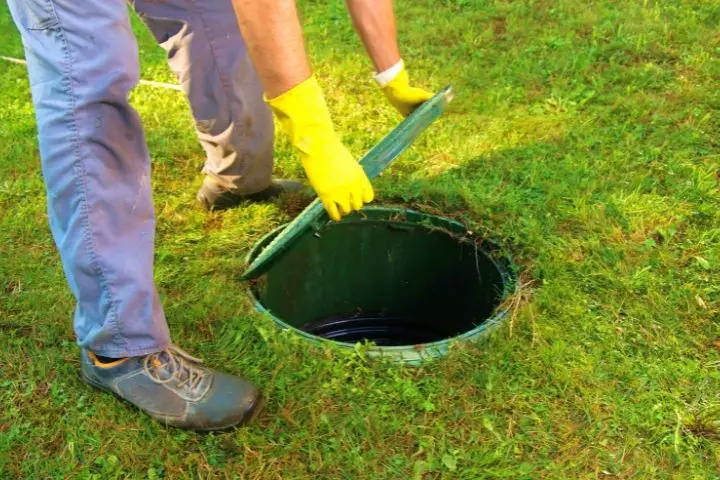
A visual inspection of the septic system is the first step. Look for any signs of leaks, misalignment, or improper venting. It's best to call a qualified septic contractor for a thorough assessment. They can identify any installation errors and recommend necessary repairs.

2. Reduce Waste Volume

Avoid overloading the septic system by limiting the amount of waste going into it. Consider minimizing the use of garbage disposals, flushing only essential items, and avoiding excessive use of water-based chemicals.

3. Establish Bacteria Population

Introduce beneficial bacteria to your septic system through commercially available products. These products contain cultures of bacteria that enhance the breakdown process and reduce odor-producing substances.

4. Clean and Maintain Vent Pipe

Regularly check and clean the vent pipe to ensure it remains free of obstructions. Remove any debris or nests, and ensure that the pipe is free of ice build-up during winter. Consider adding a vent cap to prevent birds and insects from nesting inside.

5. Ensure Drainfield Moisture

Maintain a proper water flow to the drainfield. Water usage should be sufficient to keep the soil moist and facilitate the breakdown process. If necessary, consider using a soaker hose to supplement water to the drainfield during dry periods.

Additional Tips

Here are some additional tips to help control septic tank odors:

  • Use a Septic Tank Deodorizer: These products often contain enzymes and bacteria that help break down waste and neutralize odors. Choose a deodorizer specifically designed for septic tanks.
  • Plant Odor-Absorbing Plants: Some plants have natural odor-absorbing properties. Planting them around your septic tank area can help minimize the impact of smells. Some recommended plants include lavender, rosemary, and hydrangeas.
  • Ventilate the Area: Ensure adequate airflow around your septic system. This can help disperse odors and prevent them from accumulating in one area.
  • Preventative Maintenance: Regularly schedule maintenance for your septic system, including pumping out the tank. This helps maintain its efficiency and prevents odors from building up.

Conclusion

While a new septic tank offers convenience and long-term benefits, odor issues can be a source of frustration. By understanding the common causes of septic tank odors and taking appropriate measures, you can quickly address the problem and enjoy the odor-free operation of your system. Remember to seek professional help if you encounter persistent odors or suspect installation errors. With proactive maintenance and prompt action, you can ensure your new septic system operates efficiently and seamlessly.

Read More..

Tuesday, November 12, 2024

How to Prevent Septic Tank Odor in Areas with High Soil Content

How to Prevent Septic Tank Odor in Areas with High Soil Content

Preventing Septic Tank Odor in Areas with High Soil Content

Septic systems are essential for wastewater management in areas lacking centralized sewer infrastructure. However, homeowners with septic tanks, particularly those residing in areas with high soil content, often face the challenge of unpleasant odors emanating from their systems. While the issue can be attributed to various factors, understanding the underlying causes and implementing appropriate preventive measures can significantly minimize or eliminate these odorous occurrences.

Understanding the Sources of Septic Tank Odor

Septic tank odors primarily arise from the decomposition of organic waste within the tank. As wastewater enters the tank, bacteria naturally break down the organic matter, generating gases like hydrogen sulfide (H2S), ammonia (NH3), and methane (CH4). These gases, if not properly contained, can escape through vent pipes, cracks in the tank, or even the soil surrounding the system, leading to foul smells.

Factors Contributing to Odor in High Soil Content Areas

Soil composition plays a crucial role in septic system performance and odor control. Areas with high clay content often present unique challenges:

  • Limited Drainage: Clay soils are dense and have poor drainage, hindering the efficient percolation of wastewater through the leach field. This can lead to waterlogging and a buildup of gases within the tank.
  • Slow Decomposition: Clay's impermeability can restrict oxygen flow to the leach field, hindering the decomposition process. This can result in an accumulation of organic matter and the production of more odor-causing gases.
  • Gas Trapping: High soil content can trap gases within the system, preventing them from dissipating properly. This can amplify the intensity of odors.

Preventing Septic Tank Odor: Practical Solutions

A multi-pronged approach is necessary to effectively address septic tank odor issues in areas with high soil content:

1. Regular Maintenance and Inspections

Regular maintenance is paramount to prevent odor problems. This includes:

  • Pumping: Schedule regular pumping of the septic tank to remove accumulated sludge and scum. The frequency depends on household size and usage but typically ranges from 2 to 5 years.
  • Inspection: Conduct periodic inspections of the tank and leach field to identify any cracks, leaks, or blockages that could contribute to odor.
  • Venting: Ensure the vent pipe is unobstructed and properly vented to the atmosphere, allowing gases to escape safely.

2. Proper Septic System Design and Installation

The initial design and installation of a septic system are crucial for long-term odor prevention. When dealing with high soil content:

  • Adequate Leach Field Size: Ensure the leach field is sufficiently large to accommodate the wastewater flow and allow for proper drainage.
  • Appropriate Soil Treatment: Consider soil amendments to improve drainage, such as adding sand or gravel to the leach field area.
  • Well-Ventilated Tank: Ensure the septic tank has adequate ventilation to prevent the buildup of gases.

3. Wastewater Management Practices

Daily habits can significantly impact septic system performance and odor control:

  • Minimize Grease and Oil: Limit the amount of fats, oils, and grease that enter the septic system. These substances can clog pipes and contribute to odor.
  • Avoid Flushing Non-Biodegradables: Avoid flushing items like wipes, paper towels, and medications down the toilet, as they can impede the system's operation.
  • Use Bio-Augmenters: Consider using septic tank bio-augmenters, which contain beneficial bacteria to enhance the decomposition process and reduce odor-causing gases.

4. Addressing Specific Odor Sources

If odors persist despite regular maintenance and good practices, identify the source to address the problem effectively:

  • Cracked Tank: Inspect the tank for cracks or leaks. Repairing these issues can significantly reduce odor.
  • Blocked Vent Pipe: Ensure the vent pipe is clear of obstructions and properly vented to the atmosphere.
  • Leach Field Issues: Examine the leach field for signs of waterlogging, clogging, or improper drainage. Address these issues promptly.

Maintaining a Septic System with High Soil Content: Best Practices

Living in an area with high soil content requires additional vigilance to ensure optimal septic system function and minimize odor issues. The following practices can help:

  • Monitor Soil Moisture: Keep a close eye on the soil moisture levels around the leach field. If the ground remains overly saturated, consider adjusting watering patterns in the surrounding areas.
  • Avoid Heavy Landscaping: Avoid planting large trees or shrubs directly above the leach field. Their root systems can penetrate the soil, potentially damaging the system and disrupting drainage.
  • Professional Assistance: Don't hesitate to seek professional assistance from a licensed septic system specialist for regular inspections, maintenance, and troubleshooting.

Conclusion

Preventing septic tank odor in areas with high soil content requires a comprehensive approach involving regular maintenance, proper system design, good wastewater management practices, and addressing specific odor sources. By implementing these strategies, homeowners can minimize odor problems and ensure the long-term functionality of their septic systems, promoting a pleasant and healthy living environment.

Read More..

How to Prevent Septic Tank Odor with Eco-Conscious Techniques

How to Prevent Septic Tank Odor with Eco-Conscious Techniques

How to Prevent Septic Tank Odor with Eco-Conscious Techniques

Let's be honest - that unmistakable septic tank smell is never pleasant. It can be a major source of embarrassment, especially if it's wafting out into your yard or even your home. But don't worry, you don't have to resort to harsh chemicals or expensive solutions! There are plenty of eco-conscious techniques that can help prevent those nasty odors and keep your septic system running smoothly. Let's dive in!

Understanding the Source of the Problem

Before we tackle solutions, let's get a grip on the root of the problem. Septic tank odor usually arises from hydrogen sulfide gas, a byproduct of bacteria breaking down waste. This gas can escape through vents, cracks in the tank, or even through the plumbing system if the tank is overloaded or not working properly. So, keeping those bacteria happy (in a good way) is crucial for keeping the smell at bay.

Eco-Friendly Solutions to Fight the Fumes

Here's the good news: you can minimize septic tank odor using natural, eco-friendly solutions. Think of it as a win-win: you're combating the smell while doing something good for the environment.

1. Maintain a Healthy Bacterial Balance

Just like in our gut, a healthy balance of bacteria in your septic tank is key. These hardworking microbes break down waste, reducing odor and promoting proper system function. You can encourage this balance by:

  • Using septic tank treatments: These often contain beneficial bacteria that help decompose waste more efficiently. Choose organic, eco-friendly options that don't contain harsh chemicals.
  • Avoiding harsh chemicals: Skip those harsh cleaners and disinfectants that can kill off the beneficial bacteria. Opt for natural alternatives like vinegar, baking soda, and essential oils for cleaning.
  • Regular maintenance: Pumping your tank every 3-5 years is crucial for keeping it from overflowing and creating a breeding ground for odor-causing bacteria.

2. Master the Art of Proper Flushing

Yes, even flushing can be an eco-conscious act! Here's how to keep those odors at bay:

  • Flush less, flush smart: Avoid unnecessary flushes by composting food scraps and using a "flushable" toilet paper that truly breaks down easily.
  • Beware of "flushable" wipes: Most of these are not truly flushable and can clog your system. They don't break down as easily and can contribute to odors. Stick to good old-fashioned toilet paper!
  • Keep it light: Avoid flushing heavy items like disposable diapers, feminine hygiene products, and coffee grounds. These items can clog the system and create a nasty odor. Dispose of them properly in the trash.

3. Optimize Your Drainage System

A well-functioning drainage system is vital for odor prevention. Think of it like a highway for waste â€" you want it to flow smoothly to avoid backups. Here's what you can do:

  • Inspect and clean: Regularly check your drainfield for any blockages or signs of damage. Clear out any debris, such as leaves or roots, that might be obstructing the flow.
  • Keep it hydrated: Proper watering can help ensure the drainfield is working efficiently. Aim to keep the soil surrounding the drainfield moist but not overly saturated.
  • Prevent compaction: Avoid heavy vehicles or equipment from driving over the drainfield. This can compress the soil and hinder drainage.

4. Embrace Natural Odor Absorbers

Nature has its own arsenal of odor absorbers. Bring in these natural allies to fight the stink:

  • Activated charcoal: This is a powerful odor-absorbing material. You can place a bowl of activated charcoal near the septic tank vent to help absorb odors.
  • Baking soda: This kitchen staple is an excellent deodorizer. Sprinkle some baking soda around the septic tank lid and vent to neutralize unpleasant smells.
  • Coffee grounds: These are not only great for composting, but they can also absorb odors. You can scatter coffee grounds around the septic tank lid and vent to mask unwanted smells.
  • Scented plants: Certain plants have a natural ability to absorb odors. Planting lavender, rosemary, or mint around your septic tank can help mask odors and add a touch of fragrance to your yard.

5. Pay Attention to Your Septic Tank Vent

That vent is your septic tank's lifeline to the outside world, and it's important to keep it clean and functioning properly. Here's why:

  • Ventilation is key: The vent allows for the escape of gases, preventing pressure buildup and odor problems. A blocked or clogged vent can create backpressure and force odor-causing gases back into your home.
  • Check for blockages: Regularly inspect the vent for any signs of blockage. Remove any debris like leaves, bird nests, or other obstructions that might be blocking airflow.
  • Consider extending the vent: If you live in an area with frequent storms, wind, or heavy snowfall, extending the vent pipe can help prevent water from entering the system and potentially causing blockages.

Bonus Tips for a Fume-Free Future

Here are a few extra tips that can go a long way in keeping your septic tank smelling fresh:

  • Use a vent filter: Installing a filter on your septic tank vent can help trap odors and prevent them from spreading. Many eco-friendly filter options are available.
  • Check your plumbing: Any leaks or cracks in your plumbing system can let septic odors escape. Get these fixed promptly to prevent odor buildup.
  • Consider a bio-digester: These innovative systems use a controlled environment to break down waste efficiently, minimizing odor and reducing environmental impact.
  • Educate your household: Encourage everyone in your family to be mindful of what they flush and dispose of, so you can work together to keep your septic tank smelling its best.

By following these eco-conscious techniques, you can minimize septic tank odor and ensure your system is running smoothly for years to come. Remember, a little proactive effort can make a big difference in keeping your home smelling fresh and your septic system functioning efficiently.

Read More..

How to Fix Septic Tank Smell from Improper Drainage

How to Fix Septic Tank Smell from Improper Drainage

Conquering the Septic Tank Smell: A Guide to Fixing Improper Drainage

Imagine this: you step outside your home, only to be greeted by a foul odor that makes your nose wrinkle in disgust. That familiar, unmistakable stench of sewage is a sign of a problem with your septic system, more specifically, improper drainage. While it might seem daunting, fixing this issue doesn't have to be a nightmare. This guide will walk you through the steps to identify the source of the odor and provide solutions for tackling the problem head-on.

Unveiling the Source: Identifying Improper Drainage

Before you can fix the problem, you need to understand its root cause. Improper drainage can manifest in several ways, leading to that dreaded septic tank smell:

1. A Clogged Drainfield

The drainfield is the unsung hero of your septic system, silently working to filter wastewater. However, when this area becomes clogged with debris, grease, or roots, the wastewater can't properly disperse, leading to backups and a potent odor.

2. Leaky Septic Tank

Your septic tank might seem like a sturdy structure, but cracks or holes can develop over time, allowing wastewater to leak out and spread its unpleasant aroma. This leakage can also contaminate nearby soil and water sources.

3. Overloaded System

Just like any other system, your septic tank has limits. If you're consistently exceeding its capacity by sending too much water into the system, you risk overloading it, causing backups and the dreaded smell. This is often a problem in households with large families or excessive water usage.

Taking Action: Solutions for Tackling the Smell

Now that you understand the possible culprits, let's dive into the solutions:

1. Pumping the Septic Tank

The most obvious solution is to pump out your septic tank. This removes accumulated sludge and solids, allowing the system to function efficiently again. It's recommended to have your tank pumped every 3-5 years, but this frequency can vary depending on the size of your tank and the number of occupants in your home.

2. Inspecting and Repairing the Drainfield

If the drainfield is the culprit, you'll need to investigate and repair it. This may involve:

  • Removing roots that have infiltrated the system.
  • Replacing damaged or broken pipes.
  • Adding additional drainfield lines to improve capacity.

These tasks are best left to experienced professionals who can assess the situation and determine the most appropriate solution.

3. Addressing Leaks in the Septic Tank

Leaky tanks require professional attention. A qualified technician can inspect the tank, identify any cracks or holes, and recommend repairs. These repairs might involve patching existing cracks or replacing damaged sections of the tank.

4. Conserving Water Usage

If your system is constantly overloaded, take a look at your water usage habits. Simple changes like shorter showers, efficient washing machines, and using less water in the garden can help reduce the strain on your septic system, preventing future backups and odors.

Preventing Future Problems

The best way to prevent that awful septic smell is to take proactive measures:

  • Regular Septic Tank Pumping: Schedule regular pump outs according to your tank's size and usage.
  • Avoiding Harmful Substances: Limit the use of harsh chemicals, such as bleach and drain cleaners, as they can harm your septic system's bacteria, which are crucial for waste breakdown.
  • Proper Waste Disposal: Avoid flushing items like coffee grounds, grease, and disposable wipes down the toilet, as they can clog your system.

By following these tips and taking proactive steps to maintain your septic system, you can conquer the septic tank smell and prevent future problems.

Read More..

Monday, November 11, 2024

Septic system smells: what homeowners need to know about outdoor odors

Septic system smells: what homeowners need to know about outdoor odors
How To Get Rid Of Smelly Room Smell at Lia Tait blog

Without a drainfield, septic tanks would overflow, creating runoff and a bad odor in your yard The post What You Need to Know About Your Septic System’s Drainfield appeared first on Family

The Mind's Odyssey Septic system smells: what homeowners need to know about outdoor odors

It's essential to recognize when your septic tank needs attention. Asif Bux, plumbing expert and owner of Comfort Union, recommends looking out for these indicators: 'Sewage smells: If you notice foul

How often should you pump your septic tank? Experts have the answers to avoid costly repairs
How to Install a Septic System | The Original Plumber & Septic

What is a septic system? Many homeowners know that their home has a septic tank or system but not much more. A septic system is an On-site Wastewater Disposal System; it is a method to safely have… It has also given some homeowners sticker shock. The cost of septic tank cleanouts, which residential users typically need every three to five years commissioners were inundated with resident The wide cost range for septic tank replacement cost is due to several important factors, such as the size and type of system, labor and permits, site accessibility, testing, among others. Homeowners

Providing information about septic systems for homeowners
4 Common Causes of Septic System Smells in the Home - Baldwin Septic

By obtaining a septic warranty, homeowners can experience a sense of security and financial protection, knowing that potential septic system problems, including issues with tanks, pumps and pipes It can seem difficult knowing which foods and scents people need to get them through the day. There are many evidence-based health benefits of coffee in people. Caffeine helps to keep you

Closure of Septic Waste Dump Creates Hardship for Polk Haulers, Homeowners
This part of my septic system smells : r/Plumbing

Septic system smells: what homeowners need to know about outdoor odors - to assist you to improve the eye of our tourists are likewise satisfied to earn this page. fixing the grade of this article is going to most people test in the future to enable you to actually comprehend just after here posting. Ultimately, it isn't a couple of terms that need to be designed to persuade you will. however because of the restrictions associated with vocabulary, you can easily primarily recent that Providing information about septic systems for homeowners discussion up here

Read More..

The role of septic tank location in odor prevention

The role of septic tank location in odor prevention
What Causes Septic Tank Odors and Solutions? - Septic Tank Servicing

Your septic tanks play a vital role in managing household wastewater Regular pumping is essential to preventing backups, odors, pooling water, and sluggish drains while also preserving the

Pondering Possibilities The role of septic tank location in odor prevention

Kohima, October 18 MExN: A workshop on the prevention of hazardous cleaning of sewers and septic tanks was organised by the Kohima Municipal Council KMC under the NAMASTE Scheme at the Super

Workshop on prevention of hazardous cleaning of sewers and septic tanks in Kohima held
3 Easy Steps To Eliminate Odour From Your Septic Tank - Bio Clean Septic

The role that think-tanks must play The world is in the midst of rapid flux and multiple transitions. The past is no longer a reliable playbook for how the future will unfold. 1 More research focusing on the role of steroids very early in the treatment of septic shock is still needed in order to clarify whether or not there is a role for steroids in septic patients in Tanks are vital in MMORPGs like Black Desert Online and Guild Wars 2, requiring positioning, timing, and strategic thinking. Tanking in MMORPGs is a role that often requires both skill and

The role that think-tanks must play
How to Get Rid of Septic Tank Odor Outside? Causes and Prevention

They concluded the 2023/2024 seasonal influenza vaccination demonstrated moderate effectiveness in preventing hospitalization due to laboratory-confirmed influenza. HSB recognizes the importance of a multi-faceted approach to cyber risk prevention and has introduced Cyber Safety by Zeguro, a suite of tools and services to complement our cyber insurance

Revisiting the Role of Steroids in Septic Shock
How to Get Rid of Septic Tank Odor Outside? Causes and Prevention

Internationally, the US has a crucial role to play in restoring confidence in democracy, as trust in democratic values has been backsliding globally for several years in the face of apparently

The role of septic tank location in odor prevention - that will build up the eye of the customers can also be pretty pleased for making this site. improving upon human eye your content will we try on a later date so you can in fact appreciate soon after reading this article write-up. At last, isn't a handful of key phrases that need to be meant to tell people. nonetheless as a consequence of restriction with expressions, you can easliy mainly gift any The role that think-tanks must play topic together these

Read More..